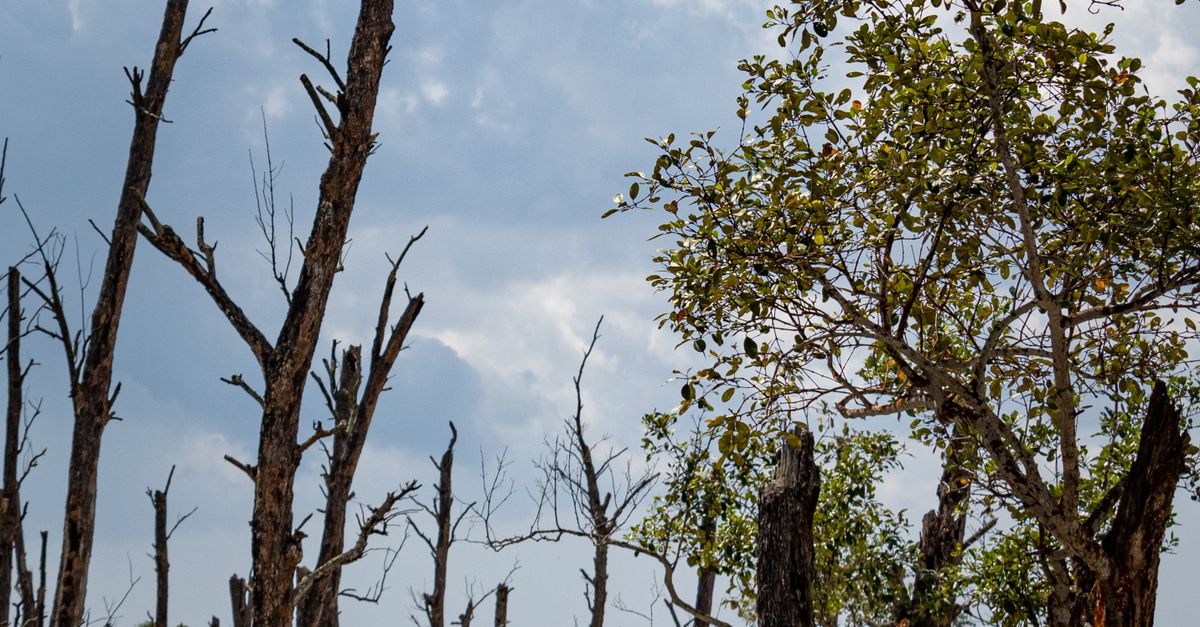

The Philippines faces a high and growing frequency of natural hazards: tropical cyclones, storm surges, floods, landslides, earthquakes, volcanic eruptions, and sea level rise. On average, about 20 tropical cyclones enter the Philippine Area of Responsibility each year and roughly five make landfall. Recurrent major events—most notably Typhoon Haiyan (2013), which affected millions and produced economic losses in the billions of dollars—have underscored the need for robust disaster risk reduction (DRR) and community resilience. Corporations operating in the Philippines are increasingly integrating corporate social responsibility (CSR) with disaster preparedness and neighborhood resilience efforts, moving beyond one-off relief to invest in prevention, readiness, and long-term recovery.
Why CSR matters for disaster preparedness
- Scale of resources: Private sector financial, logistical, and technical capacity can complement scarce public funds for infrastructure, early warning systems, and community programs.
- Local presence and assets: Companies often maintain facilities, distribution networks, and staff in provinces and barangays, making them practical partners for local response and continuity.
- Supply-chain resilience: Businesses have an incentive to protect suppliers, employees, and markets; CSR investments in resilience can reduce business interruptions and social costs.
- Long-term development links: Resilience interventions such as livelihoods diversification, microfinance, and infrastructure rehabilitation contribute to sustainable development goals (SDGs).
How CSR initiatives help reinforce the resilience of local communities
Companies deploy a range of CSR strategies that bolster community capacities before, during, and after disasters. Common approaches include:
- Preparedness and training: First aid instruction, coordinated search-and-rescue efforts, organized evacuation drills, and community hazard mapping carried out with barangay leaders and local schools.
- Early warning and communications: Enhancing weather tracking, installing community sirens, operating SMS alert platforms, and providing emergency telecom solutions such as mobile charging hubs, Wi-Fi access points, and cell-on-wheels units.
- Resilient infrastructure: Financing or restoring evacuation facilities, creating multi-hazard shelters, upgrading school structures, constructing elevated sea walls, and implementing climate-ready water and sanitation systems.
- Livelihood protection and recovery: Seed funding for farming and fisheries, equipment kits for small enterprises, vocational upskilling, and cash-transfer assistance to speed up recovery efforts.
- Financial products: Microinsurance options, emergency loan facilities, business continuity funding, and collaborations with microfinance institutions to lessen exposure to risks.
- Supply chain adaptation: Broader supplier networks, pre-staged inventories, and strategic logistics planning to maintain the flow of essential goods and services for communities.
Illustrative corporate cases and initiatives
- Telecommunications and emergency communications: Major telecom providers have historically deployed mobile charging stations, temporary cell sites, and free-call services immediately after major storms. These measures restore critical lines of communication between affected households and emergency responders.
- SM Foundation and community infrastructure: The foundation’s relief and rehabilitation work after large typhoons has included rebuilding schools, repairing public facilities, and constructing evacuation centers in high-risk municipalities—efforts that reduce future physical vulnerability and provide safe community hubs.
- Private sector partnerships after Typhoon Haiyan: Following the 2013 disaster, numerous corporations partnered with government and local NGOs to restore livelihoods (fisheries and small enterprises), rebuild housing, and support school reconstruction and psychosocial recovery in Eastern Visayas. These public-private collaborations accelerated recovery in many towns and provided models for integrated response.
- Food and beverage companies: Firms have supplied clean water, hygiene kits, and nutrition services during emergencies, and have invested in water systems and sanitation upgrades in vulnerable communities to reduce waterborne disease risk post-disaster.
- Banking foundations and financial resilience: Foundations of major banks often provide emergency grants, work with local governments on community preparedness training, and support microinsurance pilots that protect poor households against loss of assets and income.
- Energy and renewable projects: Corporations investing in solar-powered community lighting, water pumps, and microgrids have reduced reliance on fuel-based generators and improved longer-term resilience in remote barangays prone to power disruptions.
Quantifiable outcomes and the underlying economic logic
Investment in DRR through CSR demonstrates measurable returns on social and economic fronts:
- Reduced response time and improved coordination: Pre-established corporate–government communication channels mean faster delivery of life-saving aid and more efficient logistics.
- Lower recovery costs: Resilient infrastructure and livelihood diversification reduce the scale of post-disaster reconstruction and the need for emergency cash outlays.
- Business continuity: Companies that invest in community resilience protect their workforce and suppliers, reducing production downtime and protecting market demand.
- Benefit-cost ratios: Global DRR studies indicate substantial benefits for each dollar invested in disaster risk reduction—commonly cited analyses show several dollars saved in avoided losses for every dollar spent on mitigation and preparedness.
Best practices for effective CSR in disaster resilience
- Align with national frameworks: Integrate CSR with the Philippines’ Disaster Risk Reduction and Management Act (RA 10121) and local DRRM plans to avoid duplication and strengthen systems.
- Community-led design: Co-create programs with barangay stakeholders, women’s groups, and youth to ensure local ownership and relevance to neighborhood needs.
- Long-term commitment: Move from one-off relief to sustained multi-year investment in infrastructure, skills, and financial instruments that withstand repeated hazards.
- Data-driven planning: Use hazard mapping, climate projections, and vulnerability assessments to prioritize investments and measure outcomes.
- Public–private partnerships: Pool corporate, government, and NGO resources for scalable projects—examples include shared early warning systems, jointly funded evacuation centers, and co-managed community warehouses.
- Gender and inclusion: Mainstream gender-sensitive approaches and disability-inclusive planning, ensuring the most vulnerable are prioritized in preparedness and recovery programs.
- Transparency and measurement: Report resilience investments and outcomes in CSR/ESG disclosures, and use standardized indicators to demonstrate social impact and learnings.
Obstacles and limitations
- Short-term funding horizons: CSR budgets often prioritize highly visible, fast-acting support rather than sustained prevention efforts that deliver benefits more gradually.
- Coordination gaps: When numerous stakeholders operate without unified guidelines, their programs may overlap or leave certain neighborhoods underserved.
- Scale and reach: The presence of many small communities spread across thousands of islands requires corporate initiatives to be either broadly scalable or precisely targeted to achieve meaningful impact.
- Measuring social returns: Assessing prevented losses and other hard-to-track resilience gains remains methodologically intricate, making ROI evaluations challenging for private contributors.
Ways to expand impact and embed CSR within national resilience
- Incentivize multi-year commitments: Tax incentives, public recognition, or co-financing mechanisms can encourage corporations to adopt sustained resilience programs.
- Standardize partnership frameworks: Create model agreements between government units and companies for rapid activation of resources during emergencies.
- Leverage technology and data: Encourage corporate investment in community-level hazard mapping, real-time monitoring platforms, and open-data sharing to improve planning and response.
- Build local networks: Strengthen barangay-level volunteer corps through corporate-sponsored training and equipment, creating distributed capacity across neighborhoods.
- Promote financial innovations: Scale microinsurance and contingency financing products with private sector underwriting and public backstops to protect low-income households and microenterprises.
Communities in the Philippines are more resilient when disaster preparedness becomes a shared responsibility across government, civil society, and the private sector. Corporate social responsibility that shifts from episodic relief to systematic investments—aligned with national DRR frameworks, designed with communities, and measured for impact—can reduce loss of life, preserve livelihoods, and protect the social fabric of neighborhoods exposed to recurrent hazards. By combining local knowledge, corporate resources, and public planning, CSR can transform vulnerability into adaptive capacity and create neighborhoods that not only withstand shocks but recover and thrive.