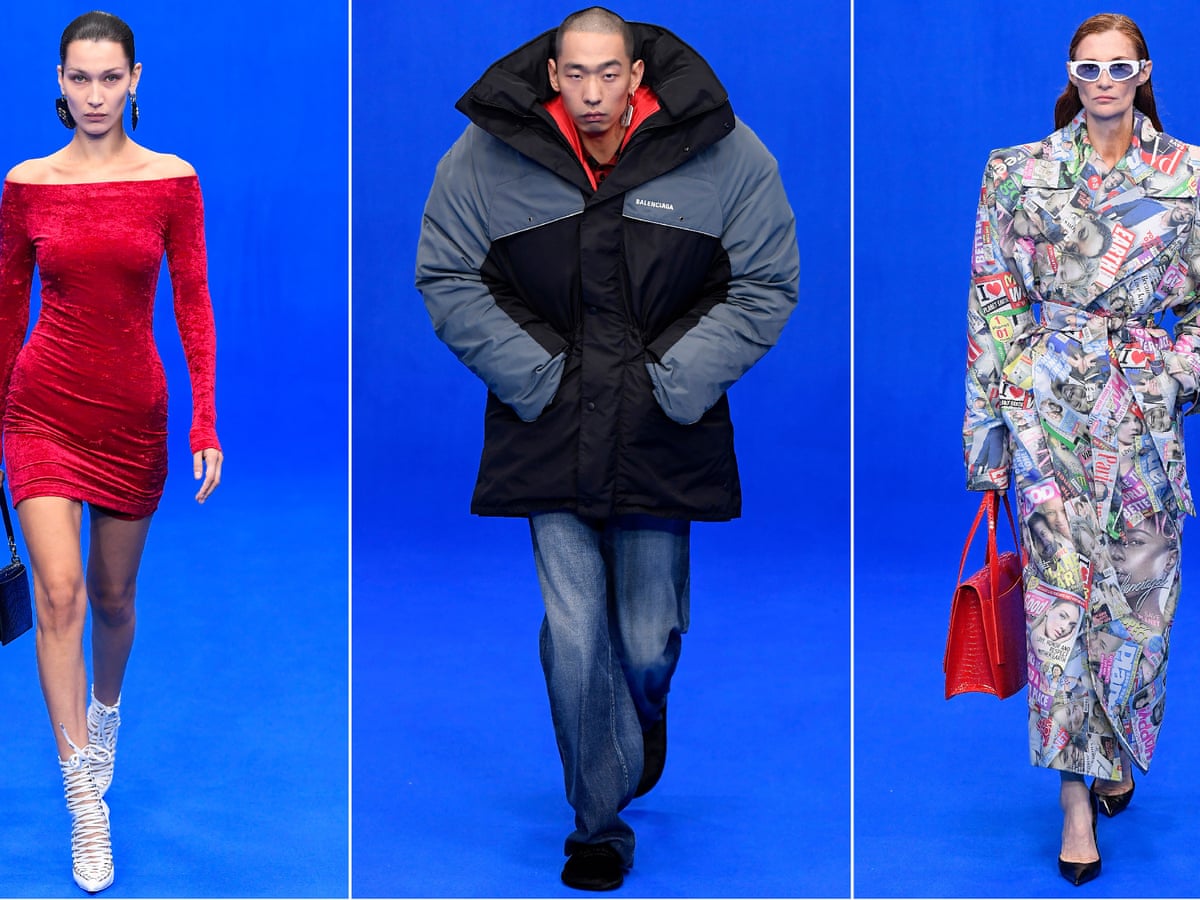
A seasonal collection refers to a curated assortment of products, typically in fashion, home decor, and retail, designed and released to coincide with specific seasons of the year. Brands often leverage seasonal collections to align their offerings with consumer needs and preferences that change throughout the year, from weather conditions to cultural events and holidays.
The Idea Driving Seasonal Collections
Fashion and retail sectors treat seasonal collections as tactical instruments for attracting consumer interest and stimulating purchases, and by reflecting current environmental and social conditions, brands can deliver offerings that feel visually appealing and practically useful. For example, a fashion brand might introduce a winter line designed with insulating garments and accessories like coats, scarves, and boots, items that tend to be in high demand during the colder season.
Historical Background and Development Over Time
The concept of seasonal collections isn’t entirely new. Historically, fashion houses like Chanel and Dior set the stage for this paradigm by introducing seasonal lines that were showcased in premier fashion weeks. Originally, the focus was on spring/summer and fall/winter collections. Over time, retailers expanded these categories to include pre-season collections such as “Pre-Fall” and “Resort” or “Cruise” collections, catering to those who vacation during off-seasons.
Industries Beyond Fashion
Although fashion most visibly relies on seasonal collections, this idea reaches into many other fields. In the beauty world, for example, brands roll out makeup palettes and skincare items tailored to each time of year, offering options such as rich winter moisturizers or airy summer foundations. The home decor industry likewise embraces seasonal themes and palettes to revitalize its offerings, allowing consumers to refresh their interiors so they match the atmosphere of the season.
Marketing Strategies and the Psychological Triggers Behind Them
From a psychological perspective, seasonal collections engage consumers’ emotions and their craving for novelty and transformation, as the arrival of a new season often evokes a feeling of renewal, which retailers leverage through campaigns emphasizing the fresh, exclusive qualities of these limited-period offerings, whose short availability heightens their appeal, sparks urgency, and stimulates spontaneous buying decisions.
Impact and Benefits
Seasonal collections can markedly enhance a brand’s revenue by elevating customer interest and encouraging frequent purchases, while also nurturing loyalty as audiences anticipate fresh items tailored to their needs each season. At the same time, they allow brands to remain current and responsive to shifting market trends, strengthening their overall competitive advantage.
Challenges of Seasonal Collections
Although they offer clear benefits, seasonal collections also present difficulties, demanding careful planning and accurate demand forecasting to align inventory with customer interest. Poor estimates may create excess stock that erodes profits or insufficient stock that limits potential sales. Moreover, the rapid turnover of seasonal trends can generate additional waste, raising environmental issues that brands need to manage responsibly.
In examining the multifaceted nature of seasonal collections, it’s clear they are not merely about maintaining relevancy. They represent a dynamic interplay of timing, consumer psychology, and marketing prowess, creating a cyclical narrative that resonates with shifting human experiences.