
The Revolutionary Impact of Demna Gvasalia on Contemporary Fashion Trends
Demna Gvasalia, currently the creative director of Balenciaga and formerly the co-founder and lead at Vetements, is undoubtedly one of the most influential fashion designers of the 21st century. His disruptive vision has redefined the parameters of luxury, streetwear, and the very notion of taste within the industry. This article delves deep into how Gvasalia’s iconoclastic approach has challenged and shaped current fashion trends across design, production, marketing, and consumer culture.
Embracing Streetwear as High Fashion
One of Demna Gvasalia’s most notable achievements is the elevation of streetwear into the sphere of high fashion. Before his rise, the line separating luxury houses from street labels was rigidly drawn. Via Vetements’ inaugural lineups and notably during his tenure leading Balenciaga, Gvasalia shattered this barrier by featuring hoodies, voluminous coats, and logo-centric essentials as focal points on elite runways.
His 2016 Vetements ready-to-wear line famously subverted conventional tailoring with exaggerated silhouettes, distressed fabrics, and ironic graphics. This blurred the line between high and low fashion, making comfortwear and utilitarian aesthetics desirable among affluent clientele. Today, the pervasive presence of sneakers, casual wear, and logo-rich pieces in luxury collections can be directly traced to Gvasalia’s pioneering influence.
Redefining Luxury Branding and Irony
Gvasalia’s irony-driven vision of branding has profoundly altered the way luxury labels convey value. He integrated satire and self-reference into his creations, exemplified by Vetements launching items such as DHL-branded tees or “security” hoodies bearing high-end price tags. Such daring garments questioned the definitions of authenticity and prestige, fueling widespread discussions regarding the core of status within the fashion industry.
At Balenciaga, he extended this approach by parodying generic or everyday objects—a notable example being the infamous Balenciaga “IKEA” tote bag or the reimagination of classic Crocs. Such moves have strengthened a trend toward self-aware, sometimes absurd collaborations and the repositioning of everyday utility as aspirational.
The Impact of Silhouette and Proportion
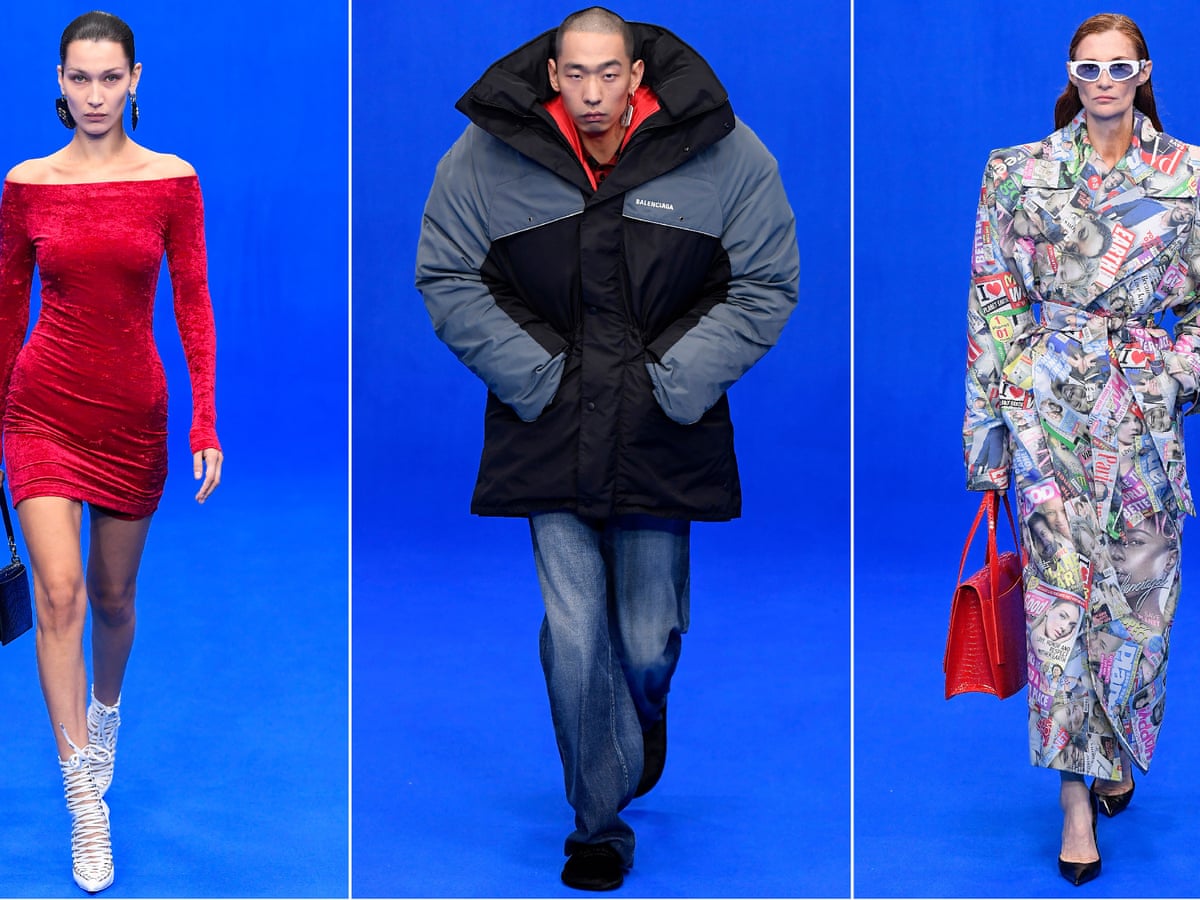
As a designer, Gvasalia is celebrated for reshaping the vocabulary of silhouette and proportion. His creations regularly showcase boxy coats, broad-shouldered blazers, and exaggerated oversized apparel. Conventional notions of gender, prettiness, and formality are challenged by these distinct silhouettes. The roomy tailoring has successfully transitioned from the catwalk to the broader market, inspiring contemporary labels and fast-fashion retailers alike to test out daring forms that were once confined to avant-garde spheres.
Numerous retail studies and post-runway analyses support this aesthetic shift. For instance, according to a 2021 report by Edited, retailer sales of oversized blazers and coats soared by over 70% globally year-on-year following Balenciaga’s 2020 collections. Designers across the spectrum—from emerging labels to established names—have adopted oversized fits, echoing Gvasalia’s trailblazing vision.
Disruptive Fashion Shows and Digital Influence
Gvasalia has reinvented the fashion show as a performance art form. His runways—a supermarket, political rally, or dystopian flooded chamber—transcend mere product presentation. The 2018 Balenciaga show, which immersed attendees in a CGI-driven digital tunnel, exemplifies his embrace of technology and multimedia storytelling.
Beyond physical set design, his rapid adaptation to digital culture is notable. During the pandemic, Balenciaga’s interactive video games and virtual reality presentations offered new ways to engage with consumers. This foresight into immersive, digital-first storytelling has set benchmarks for how brands navigate the intersection of physical and virtual spaces in an increasingly online retail ecosystem.
Sustainable Practices and Critique of Consumerism
While Gvasalia’s creations are defined by commercial appeal, he concurrently satirizes consumerist society. Numerous collections are deliberately provocative—featuring repurposed garments, upcycled vintage pieces, or blatant nods to thrift and second-hand retail. He highlights concerns regarding sustainability and waste within the fashion realm, acting as both a critic and a participant in the sector’s contradictions.
Balenciaga’s incorporation of recycled materials, paired with lines centered on climate catastrophe and digital dystopia, communicates to both market experts and shoppers the urgent need to rethink shopping habits. His impact has inspired other high-end labels to adopt more transparent discussions—as well as concrete steps—toward sustainability.
Recontextualizing Social Commentary
Gvasalia’s collections are culturally responsive, incorporating commentary on politics, society, and even the fashion system itself. The subversive use of uniforms—be it security guards, postal workers, or political campaigners—presses against social conventions and power structures. Critics and industry analysts regularly debate whether this reflects sincere activism, commercial savvy, or a postmodern collapse of meaning. Either way, this approach has markedly shaped the cultural role of fashion, giving designers permission to operate in the realm of social critique.
Consumer Perception and Market Dynamics
Finally, Gvasalia has altered consumer psychology within luxury markets. His willingness to confront and even alienate traditional luxury shoppers has redefined what it means to be aspirational. Limited releases, seasonal drops, and viral marketing stunts have intensified FOMO-driven purchasing, echoing the strategies of streetwear but at an elite level. These tactics have contributed to a more dynamic, unpredictable market, demanding agility from both brands and retailers.
Demna Gvasalia’s imprint is defined by radical metamorphosis. He has elevated streetwear to luxury status, monetized irony, and erased the boundaries separating conventional taste from tradition. The impact of his aesthetic touches creators, merchants, and buyers alike, fundamentally transforming the conception, manufacturing, and global consumption of fashion. His intricate and frequently debated methodology urges the sector to progress through acute self-awareness and daring experimentation, ushering in a fresh chapter in the history of modern style.