

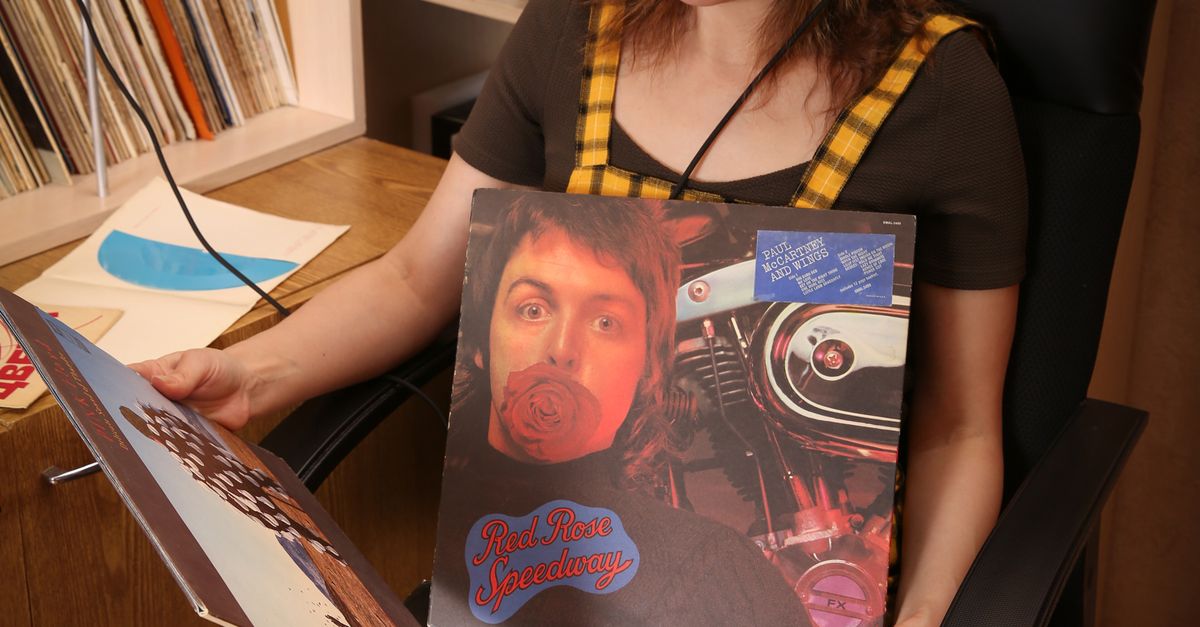
Why Album Covers Matter in Cultural History
Album covers are much more than mere packaging. Serving as visual manifestos, they define distinct eras, mold cultural identities, and leave a lasting mark on design, fashion, and politics. Ever since the 12-inch vinyl LP emerged during the mid-20th century, the sleeve has operated as a prime canvas for artistic innovation and social commentary. Below, 15 iconic album covers stand out for their profound and lasting impact on music, the visual arts, marketing, and popular culture.
1. The Beatles – Sgt. Pepper’s Lonely Hearts Club Band (1967)
Designed by Peter Blake alongside Jann Haworth, this collage-inspired sleeve brought together upwards of 70 cultural and historical icons surrounding the group’s fictional alter egos. It transformed record packaging into high art, securing a Grammy Award for Best Album Cover back in 1968. Its complex layout prompted fans to approach records as immersive journeys rather than simple track lists, inspiring subsequent generations of artists to treat visual branding as an essential component of musical narration.
2. Pink Floyd – The Dark Side of the Moon (1973)
Created by Hipgnosis and George Hardie, the prism scattering light into a rainbow stands as one of the most iconic visuals in the annals of music. Strikingly minimal yet conceptually profound, this artwork mirrored motifs concerning illumination, temporality, and the human condition. Having surpassed 45 million global sales, the record’s understated artwork demonstrated how a compelling visual could bridge language barriers and cultural divides.
3. The Beatles – Abbey Road (1969)
The photograph of the band crossing a London street became an iconic cultural image. Shot by Iain Macmillan, the cover sparked decades of fan theories and transformed the crosswalk into a pilgrimage site. Its understated realism demonstrated that a simple photograph could become legendary.
4. Nirvana – Nevermind (1991)
The image of a baby swimming toward a dollar bill captured the tension between innocence and commercialism. Shot by Kirk Weddle, the cover symbolized the anxieties of Generation X and the commodification of rebellion. It became a defining visual of the grunge movement and alternative rock’s mainstream breakthrough.
5. The Rolling Stones – Sticky Fingers (1971)
Designed by Andy Warhol, the original vinyl featured a working zipper on the cover. The provocative image blurred boundaries between pop art and rock culture. It also marked one of the earliest major collaborations between a fine artist and a rock band, influencing future partnerships between musicians and visual artists.
6. The Velvet Underground & Nico – The Velvet Underground & Nico (1967)
Another creation by Andy Warhol, the banana graphic encouraged engagement through its peel slowly and see directive. Its minimalist pop art visual style defined underground and indie aesthetics for decades, turning into an emblem of avant-garde cool.
7. Michael Jackson – Thriller (1982)
Photographed by Dick Zimmerman, the cover presented Jackson in a relaxed white suit, projecting crossover appeal. As the best-selling album of all time, with over 70 million copies sold, its imagery helped define 1980s pop sophistication and global superstardom.
8. Prince – Purple Rain (1984)
The cover’s dramatic, cinematic composition reinforced Prince’s mystique and androgynous persona. Its saturated color palette and stylized typography influenced fashion, graphic design, and the integration of music with film branding.
9. The Clash – London Calling (1979)
Pennie Smith’s photograph of Paul Simonon smashing his bass guitar, paired with typography referencing Elvis Presley’s debut album, bridged punk rebellion with rock history. It is frequently ranked among the greatest album covers ever, embodying raw energy and cultural defiance.
10. Miles Davis – Bitches Brew (1970)
The surreal painting by Mati Klarwein expanded the visual vocabulary of jazz. Its cosmic imagery paralleled the album’s experimental fusion sound, influencing progressive rock and psychedelic design aesthetics.
11. Patti Smith – Horses (1975)
Photographed by Robert Mapplethorpe, the stark black-and-white portrait challenged gender norms. Smith’s androgynous styling became a visual statement of punk’s intellectual and artistic ambition, influencing alternative fashion and feminist discourse.
12. Joy Division – Unknown Pleasures (1979)
The pulsar waveform graphic, designed by Peter Saville, exemplified minimalist design with scientific roots. Its monochrome aesthetic became synonymous with post-punk introspection and has been endlessly referenced in fashion and graphic culture.
13. Kendrick Lamar – To Pimp a Butterfly (2015)
The cover features a group of Black men celebrating atop the White House lawn, a bold political statement reflecting themes of systemic injustice and empowerment. It demonstrated that album art remains a platform for socio-political commentary in the digital age.
14. Radiohead – OK Computer (1997)
Created by Stanley Donwood and Thom Yorke, the fragmented, abstract imagery reflected themes of alienation and technological anxiety. Its layered, collage-like composition influenced late-1990s and early-2000s alternative aesthetics.
15. Beyoncé – Lemonade (2016)
The subtle portrayal of Beyoncé in a fur coat resting against a vehicle’s glass highlighted storytelling closeness. Launched together with a cinematic companion, it showcased how album visuals have shifted toward multi-platform narratives, strengthening the dynamic connection linking music, style, and persona.
Key Characteristics of Influential Album Covers
- Visual Innovation: Introduction of new artistic techniques or design trends.
- Cultural Resonance: Reflection of social, political, or generational themes.
- Brand Identity: Establishment of a lasting artist image.
- Commercial Impact: Contribution to sales, recognition, or media attention.
- Longevity: Continued relevance through reinterpretation and homage.
The Enduring Power of Visual Sound
The most influential album covers do more than represent music; they translate sound into image and moment into memory. They shape subcultures, inspire designers, and become symbols detached from their original context yet forever linked to the emotions they evoke. As music consumption shifts from vinyl to streaming platforms, the square image remains a potent cultural artifact—proof that a single frame can capture the spirit of an era and echo across generations.