
Peter Lindbergh: Redefining the Visual Language of Fashion Photography
Peter Lindbergh remains a pivotal force in fashion photography, celebrated for revolutionizing industry standards via his compelling visual style and profound conceptual vision. Through his artistry, Lindbergh pioneered a unique aesthetic that has exerted an enduring influence on visual culture, portrayals of beauty, and the storytelling inherent in fashion imagery.
A Shift from Perfection to Authenticity
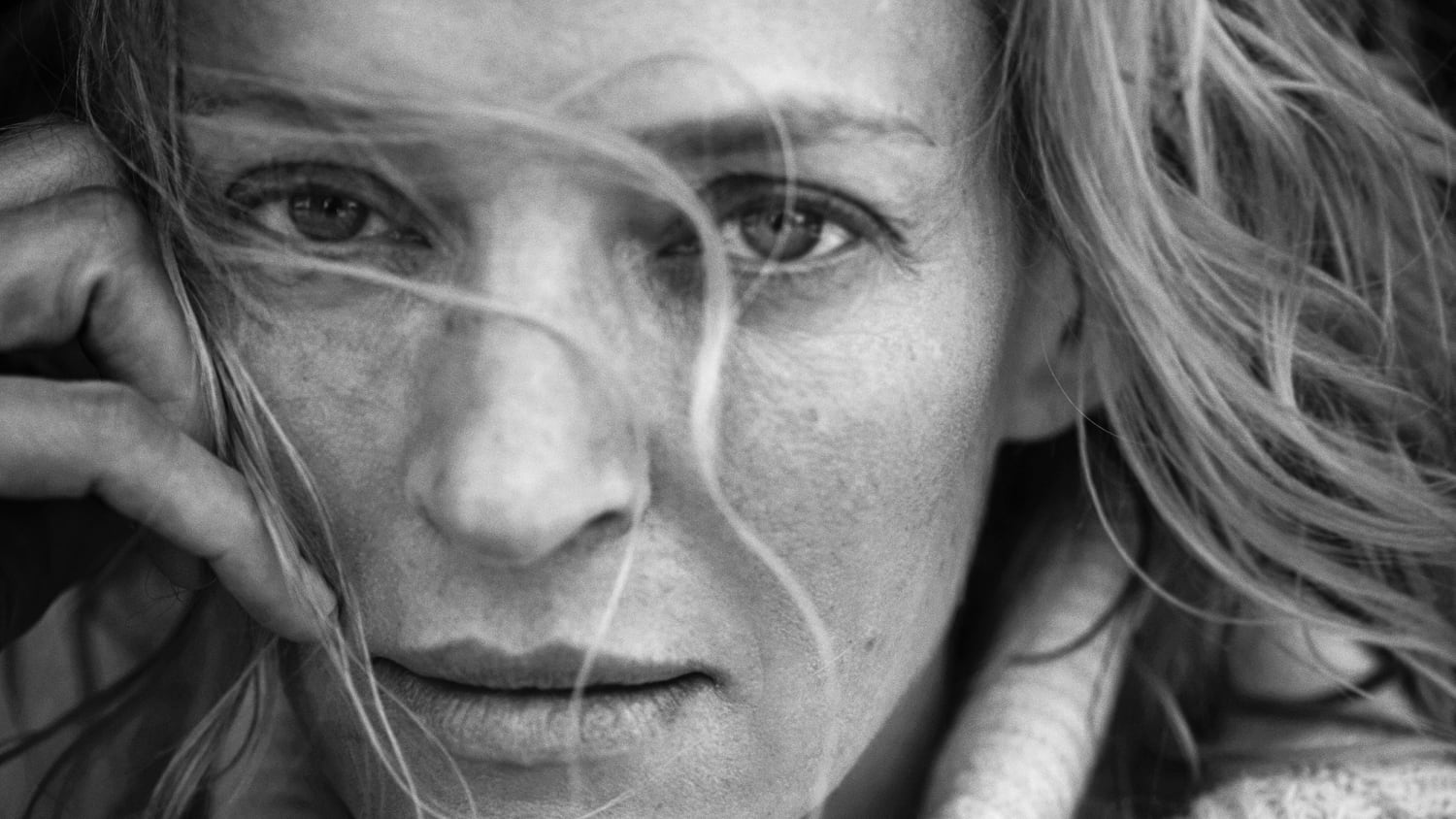
Prior to Lindbergh’s rise, the realm of fashion photography mostly cleaved to traditional notions of glamour and flawlessness. Pictures were heavily stylized, routinely altered, and defined by an unrealistic depiction of attractiveness. Lindbergh pushed back against these norms by welcoming genuine expression. His monochrome portraits, frequently captured using bare-minimum cosmetics and straightforward styling, presented subjects in authentic illumination, highlighting their unique character and soul. The severity of black-and-white imagery, combined with an unfiltered spontaneity, cast aside glamorous artifice to champion emotional authenticity.
For instance, the 1988 photo shoot executed by Lindbergh for American Vogue, which showcased makeup-free models wearing white shirts on a beach in Los Angeles, stood in direct opposition to the extravagance that defined the period. Such visuals paved the way for the supermodel era, propelling personalities such as Linda Evangelista, Naomi Campbell, and Christy Turlington into the realm of cultural icons by immortalizing their unique identities instead of keeping them hidden behind unreachable standards.
Emphasizing Storytelling and Emotion
Lindbergh’s photographs are widely acclaimed for their storytelling strength. In contrast to traditional fashion pictures, which tend to focus primarily on the garment or the model’s stance, his output often feels akin to a cinematic plot. Drawing creative fuel from German expressionist movies, the French New Wave, and documentary photojournalism, he integrated a narrative depth that went far beyond simply showcasing apparel.
One notable instance is his 1990 British Vogue cover, frequently cited as the catalyst for the supermodel phenomenon. Instead of adhering to conventional studio portraits, Lindbergh captured five women strolling along the streets of New York, conveying a sense of being both accessible and powerful. By means of these sessions, he offered peeks into intimate, candid scenes, cultivating emotional resonance and connection.
His approach influenced a generation of fashion photographers. Steven Meisel, Herb Ritts, and later figures like Mario Testino, all echoed Lindbergh’s focus on narrative depth, departing from the artificiality previously dominating fashion publications. His preference for loose, spontaneous shoots fostered a sense of creative collaboration, empowering models to contribute to the visual outcome rather than merely serving as mannequins.
An Inclusive and Humanistic Vision
Lindbergh’s impact reached far past looks and storytelling. He championed early inclusivity within fashion photography, valuing distinct personalities over standard molds. While uniformity dominated the era, he purposely selected women from diverse heritages, age groups, and appearances. Consequently, this approach not only broadened beauty standards but also shaped how everyday viewers connected with fashion media.
His campaigns frequently foregrounded mature women, countering industry bias against aging. For the 2017 Pirelli Calendar, Lindbergh photographed actresses including Helen Mirren, Charlotte Rampling, and Julianne Moore with minimal retouching, confronting ageism and the unrealistic standards perpetuated by digital manipulation. His refusal to retouch skin, erase wrinkles, or alter natural features was a radical statement, contributing to ongoing conversations about body positivity and the psychological impact of visual media.
Collaboration and Trust with Iconic Subjects
Lindbergh’s rapport with his subjects is legendary. Many models and celebrities—among them Kate Moss, Cindy Crawford, and Milla Jovovich—have spoken about how comfortable and empowered they felt in front of his camera. He fostered environments anchored by mutual respect rather than control, resulting in images that convey vulnerability and strength.
This sense of trust is evident in his extensive body of portraiture. Whether photographing actors on Hollywood sets or dancers in rehearsal studios, Lindbergh allowed personalities to shine through, demonstrating a respect for his subjects as individuals rather than commodities. By privileging this kind of intimacy, he redefined the dynamic between photographer and muse, placing emphasis on collaboration and emotional honesty.
Enduring Impact and Cultural Heritage
Peter Lindbergh’s legacy has profoundly and permanently shaped both the fashion world and photography as a whole. He was crucial in transforming the criteria used to evaluate models and visual art. Art directors, editors, and advertisers frequently point to his photographic philosophy as a turning point in how fashion media evolved, while a multitude of editorials and advertising campaigns owe their aesthetic roots directly to his methods.
Beyond mere commercial success, the displays of Lindbergh—hosted in prominent museums and galleries across the globe—have firmly established fashion photography as a valid artistic medium. Exhibitions like “Peter Lindbergh: A Different Vision on Fashion Photography” at the Kunsthal Rotterdam drew unprecedented crowds, highlighting the widespread resonance and importance of his photographic narrative.
A Redefinition of Fashion’s Visual Narrative
Rather than reinforcing the industry’s traditional boundaries, Peter Lindbergh forged a new path rooted in realism, empathy, and depth. He championed the individual spirit of his subjects, prioritized honesty over perfection, and brought a cinematic sensibility to editorial photography that forever altered the trajectory of fashion imagery. In a domain often associated with fleeting trends, Lindbergh introduced timelessness and gravitas, inviting both viewers and fellow practitioners to reconsider what fashion photography could— and should— aspire to express.